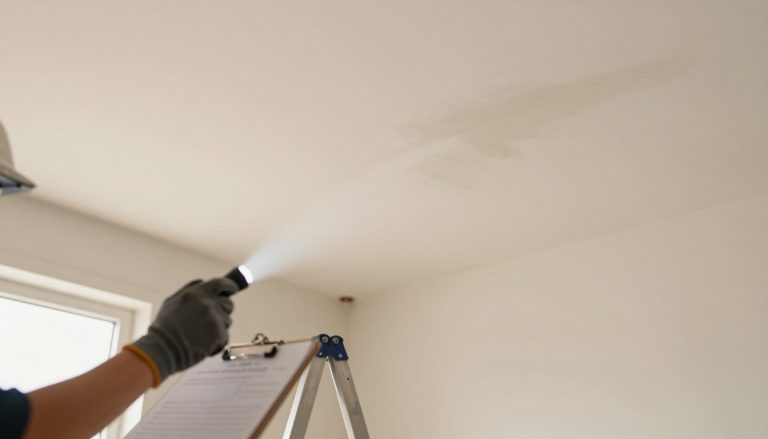
A water leak in a rental can go from “small drip” to “ceiling collapse” fast. The difference is often one simple thing: whether someone can shut the water off in under a minute.
This guide covers shutoff valves landlords should locate in every property, how to test them without creating new problems, and how to label them so a tenant, plumber, or property manager can act quickly, even at 2 a.m.
Why shutoff valves matter in rental properties (and not just in emergencies)
For rental property landlords, shutoffs are like circuit breakers for plumbing and gas. When you can isolate one fixture or one unit, you avoid shutting down the whole building, and you limit damage.
They also cut down on after-hours calls and messy billing fights. When a tenant knows which valve to close, you can stop the damage first, then schedule the right fix. That’s the core of good rental real estate maintenance, stop the loss, then repair the cause.
If you want extra context on common shutoff locations, this overview on locating valve shutoffs is a helpful companion.
Where to find every shutoff in a rental house
Start with a simple rule: work from the street inward. You want to find the first point where water enters, then every point where it branches off.
1) The curb stop at the street (outside shutoff)
Many homes have a curb stop (also called a curb valve) near the sidewalk, inside a small meter box or access sleeve. This is the “big hammer” shutoff when the home’s main valve fails.
Landlord tip: Some curb stops need a special key. If you don’t have one, note that now, before you need it.
2) The main water shutoff at the house (usually near the meter)
The main house shutoff is often just inside where the water line enters, commonly in a basement, crawlspace, garage, or utility closet. In cold climates it’s usually indoors. In warmer areas, it may be on an exterior wall near the meter.
If you need a quick refresher on typical locations, this guide to finding the main water shutoff lays out the usual suspects.
3) Unit and branch shutoffs (multi-unit and newer plumbing layouts)
In duplexes, triplexes, and some townhomes, you may have branch shutoffs that isolate each unit. These are often near a manifold, in a utility room, or where risers feed upstairs fixtures.
If your building shares a single water service, branch shutoffs are a major risk reducer. A leak in Unit B shouldn’t force Unit A to lose water.
4) Water heater shutoff (cold inlet)
Every water heater should have a cold-water inlet shutoff on the supply line. This valve matters during heater replacement, a tank leak, or when you need to isolate hot water issues. Also check for a gas shutoff (for gas heaters) or a nearby electrical disconnect.
5) Individual fixture shutoffs (the ones tenants can use)
These are the valves that save cabinets, floors, and drywall.
Common spots:
- Under sinks (kitchen and bath)
- Behind toilets
- Behind washing machines (hot and cold)
- Near dishwashers and ice maker lines (sometimes tucked under cabinets)
Under-sink angle stops and toilet valves
Angle stops under sinks and the toilet supply valve are usually small, hand-turn valves. In older properties, they can seize up or start dripping when moved.
Quick reality check: If a valve looks corroded, painted over, or crusty, treat it like it might fail when touched.
Don’t forget gas shutoffs (with safety rules in mind)
Gas shutoffs are usually at the gas meter, plus appliance shutoffs near furnaces, water heaters, and ranges. If you’re unsure about gas safety duties, this plain-language reference on landlords’ gas safety responsibilities is worth reading.
If gas work is needed, don’t guess. Use a qualified pro.
How to test shutoff valves without making things worse
Testing is simple, but it has to be controlled. A stuck valve during an emergency is a nightmare; a planned test is where you want to discover problems.
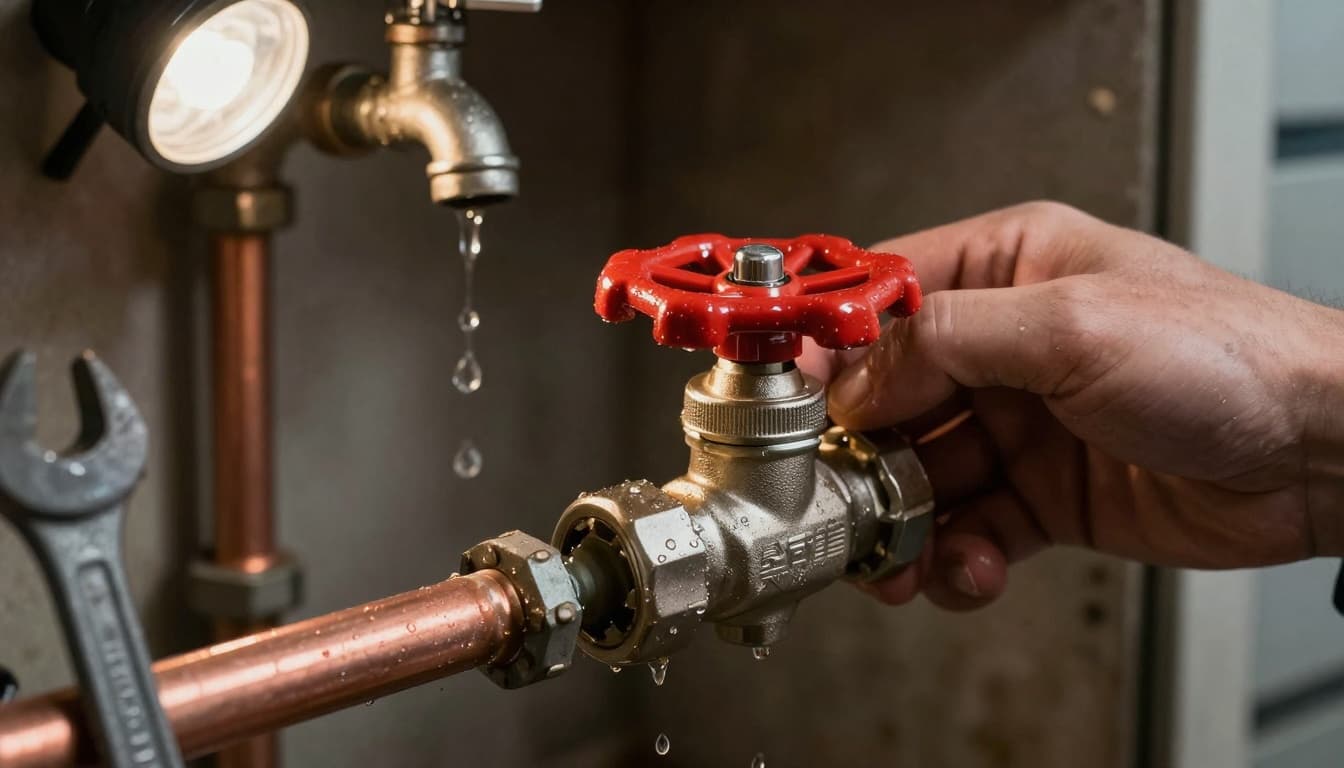
A safe, repeatable test routine (quarterly is a good rhythm)
- Tell the tenant what you’re doing and how long it’ll take.
- Open a faucet at the fixture you plan to isolate (this confirms flow).
- Close the nearest shutoff (turn clockwise for multi-turn valves; for ball valves, the handle turns a quarter turn).
- Confirm the water stops at that faucet or appliance.
- Re-open the valve slowly and watch for leaks at the stem and fittings.
- Listen for hammering and check for drips over the next hour.
Two red flags during testing:
- The valve won’t fully stop water.
- The valve starts leaking around the handle or packing nut.
Either one means it’s time to plan replacement. That’s a small job compared to the cost of water damage and rental property repairs after a cabinet flood.
For more detail on finding shutoffs (and why some are hidden), this guide also provides useful location clues.
How to label shutoffs so anyone can act fast
Labeling isn’t busywork. It’s how you keep a minor leak from turning into a five-figure claim.
What a “good” label includes
Keep it short, clear, and placed where the hand goes. Use a weatherproof tag or label tape.
A practical naming system:
| Label text | Location | What it stops |
|---|---|---|
| MAIN WATER | By meter entry | Whole house water |
| WH COLD INLET | At water heater supply | Water heater feed |
| KITCHEN SINK COLD | Under kitchen sink | Cold to kitchen faucet |
| TOILET HALL BATH | Behind toilet | Toilet supply |
| WASHER HOT / COLD | Laundry box | Washer supplies |
Make it easier with photos: Take one wide photo (shows where it is) and one close-up photo (shows which handle). Store them in a shared folder you can send to vendors. This is especially helpful for rental real estate repairs where the person showing up has never seen the property.
A remote landlord playbook for shutoffs (Atlanta and beyond)
Owning a rental house from another city changes the stakes. You can’t run over with a wrench, and tenants may panic if they hear water spraying.
Here’s what works for remote rental property maintenance:
- Put a simple shutoff map in the tenant move-in packet.
- Add one sentence to your emergency instructions: “If you see active leaking, shut off MAIN WATER first.”
- Keep at least one spare curb key (if needed) with a trusted local contact.
- Schedule annual valve checks during routine atlanta rental property maintenance visits.
For owners who don’t live in town, we handle property maintenance and repairs across Atlanta, including coordinating access, testing shutoffs, replacing failed valves, and closing out issues with photos. That includes remote rental property repair for out-of-state owners who need clear updates and quick action. If you’ve been searching for a rental property maintenace company atlanta owners can rely on, this is exactly the kind of nuts-and-bolts work that prevents expensive damage and repeat calls, and it supports consistent atlanta real estate repairs and maintenance without guesswork.
Conclusion
Shutoff valves are simple parts, but they control big outcomes. When you find every valve, test it on a schedule, and label it clearly, you reduce damage, speed up repairs, and make your rentals less stressful to own. Start with the main water shutoff, then work fixture by fixture until the whole system is documented. A little time now makes shutoff valves landlords can trust when the next leak hits.