A ceiling water stain is never “just a stain.” It’s the building’s way of saying water went where it shouldn’t, even if the drip stopped hours ago.
For rental property landlords, the hard part isn’t believing the tenant. It’s deciding what to do first, who to call, and how to keep a small wet spot from turning into soaked drywall, mold, and an angry upstairs neighbor. This guide walks through the first checks that matter, then breaks down the right trade to call based on what you find.
First response: treat it like an active leak (even if it’s dry)

Photo by Vadim Bocharov
When you get that text from a tenant, speed matters. A stain is like a bruise, it shows up after the impact. Water may still be moving above the ceiling.
Ask the tenant for three things right away:
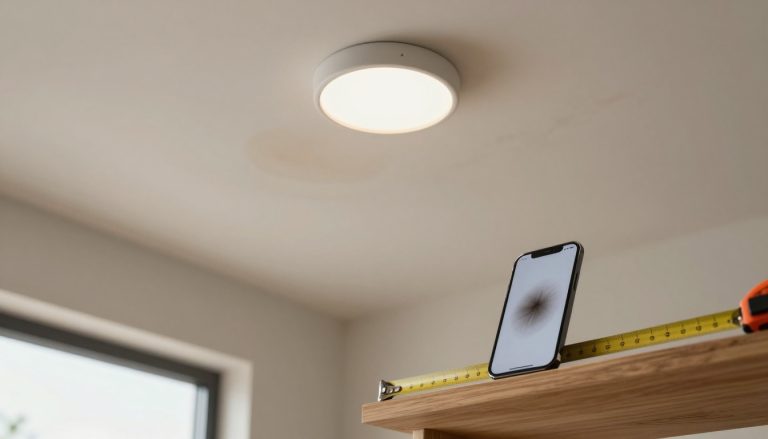
- A close photo of the stain (include a ruler or common object for size).
- A wide photo showing the room, ceiling lights, vents, and nearby walls.
- A short video if there’s any dripping, bubbling paint, or sagging drywall.
Then give simple safety steps:
If water is near a light fixture: tell them to keep the light off, avoid switches in that area, and stay clear.
If there’s dripping: put a bucket down and move valuables.
If the ceiling is sagging: keep people out of the room, wet drywall can fail.
If the leak is active, you’re no longer scheduling. You’re stopping damage.
What to check first (the fast checks that narrow the cause)
You don’t need to diagnose everything on the first call, but you do need to narrow it down. Start with location and timing.
1) What’s directly above the stain?
In most rentals, the source is close to vertical. Is there a bathroom, laundry, kitchen, or an HVAC unit above? If yes, that’s your first suspect list.
2) Did it happen after rain or after water use?
Ask: “Did you notice it after a shower, toilet flush, dishwasher run, or a storm?” The pattern matters.
- After rain often points to roof flashing, a vent boot, or siding penetration.
- After a shower or toilet use points to supply lines, drains, wax rings, or failed grout and caulk.
- Random slow growth can be HVAC condensation or a pinhole plumbing leak.
3) What does the stain look like?
- Yellow or brown rings usually mean a slow leak that dried and returned.
- Active bubbling paint means moisture is still present.
- A straight line stain can indicate water running along a joist or seam.
4) Any smell?
A musty odor suggests moisture has been sitting. That can mean mold risk, even if the ceiling “looks fine.”
The most common causes of a ceiling water stain in a rental house
Bathroom leaks (most frequent)
Toilets and showers are repeat offenders. A failed wax ring can leak only when flushed. A shower pan or bad grout can leak only during showers, then disappear.
Red flags: stain under a toilet area, stain grows during shower times, soft flooring upstairs.
Plumbing supply or drain line leaks
Supply leaks can spray under pressure and soak a wide area. Drain leaks may show up only when water is running.
If your tenant reports “it only happens when we run the sink,” think drain.
HVAC condensation problems
In warm climates, clogged condensate lines, cracked drain pans, or poor insulation can drip into ceilings. This is common during heavy AC use.
If the stain is near a ceiling vent or air handler closet, HVAC moves up the list.
Roof and flashing issues
A small roof penetration leak can travel before it shows. Stains often appear far from the actual roof entry point.
After a storm, check for missing shingles, damaged flashing, or clogged gutters. Wind-driven rain can also enter around vents.
Upstairs appliance leaks
Dishwashers, washing machines, and fridge water lines can leak slowly for weeks. These are expensive when ignored because the water spreads under flooring and into ceilings.
Who to call first (and when it’s more than a handyman job)
The right call depends on what’s active and what’s at risk: plumbing, electrical, HVAC, roof, or water restoration. General overviews like Who to Call for a Water Leak in the Ceiling and Bluebot’s emergency guide for ceiling leaks align with a simple rule: stop the water first, then fix the damage.
Here’s a quick cheat sheet:
| What you see | Likely source | Who to call first |
|---|---|---|
| Dripping near a bathroom area | Toilet, shower, supply or drain | Plumber |
| Stain near vent or air handler closet | Condensate line or drain pan | HVAC tech |
| Stain appears after rain | Roof flashing, penetration, gutter backup | Roofer (or exterior repair pro) |
| Water near light fixture, buzzing, flicker | Water contacting electrical | Electrician (after water is stopped) |
| Ceiling is sagging, insulation is soaked | Significant saturation | Water mitigation/restoration |
If materials are wet for more than a day, involve a drying and mitigation team. For a rental-focused walkthrough of the bigger picture, see How to Handle Water Damage in a Rental Property.
What to tell the tenant (and what not to ask them to do)
Tenants can help with observation and basic safety, but don’t ask them to troubleshoot inside ceilings. That’s a liability trap.
Good tenant guidance:
Do: report changes, take photos, keep the area clear, and stop using the fixture if asked.
Don’t: cut drywall, climb into attics, or handle wet electrical areas.
Also set expectations: “We’re sending someone to find the source first. The stain repair comes after the leak is fixed.” It prevents the classic frustration of repainting a ceiling that stains again next week.
Documentation that protects you (and speeds up repairs)
A ceiling stain triggers two tracks: fixing the problem and protecting the asset.
Capture:
- Date and time reported, plus tenant notes
- Photos before any work starts
- What was done to stop water (shutoff, fixture taken out of service)
- Invoices and scope notes for rental property repairs
If you use vendors, ask for “cause and origin” language in the notes. It helps with insurance and with recurring issues.
For atlanta rental property maintenance teams, the same rule applies: document the leak source, then document the dry-out, then document the patch and paint.
For Atlanta rentals: handling it fast even if you don’t live here
Many owners aren’t local. That’s where remote rental property maintenance becomes less about convenience and more about preventing damage. A good vendor should be able to coordinate entry, update the tenant, share photos, and give clear options without you driving across state lines.
RentalSOS supports remote rental property repair for owners and landlords who don’t live in Atlanta, including coordinating plumbers, HVAC, drywall, and paint. This is the day-to-day reality of rental real estate maintenance and rental real estate repairs, especially when a stain shows up right before a weekend.
If you’re comparing vendors, ask direct questions: Who stops the leak, who patches the ceiling, who matches paint, and who owns the schedule?
Preventing the next ceiling water stain
You can’t prevent every failure, but you can reduce the repeat calls.
A few high-value habits:
HVAC condensate line checks each cooling season.
Annual roof and flashing inspection, especially after big storms.
Replace supply lines to washers and toilets on a schedule.
Re-caulk tubs and showers before water sneaks behind tile.
For owners searching for atlanta real estate repairs and maintenance, choose a provider that can handle the full chain from leak source to drywall and paint, not just the first visit. Many rental property landlords also prefer one point of contact, like a rental property maintenace company atlanta, instead of juggling five contractors during a leak.
Conclusion
A ceiling water stain is a warning label, not a cosmetic issue. Start by confirming if water is active, collect clear photos, then call the trade that stops the source fastest. After that, dry-out and ceiling repair can be handled in the right order.
If you manage a rental house from out of town, tight communication and solid documentation matter as much as the fix. The goal is simple: stop the leak quickly, protect the property, and keep the tenant safe, because ceiling water stain problems rarely stay small on their own.