Repairs never show up when you’ve got free time. They show up on Friday night, during a holiday weekend, or right when your tenant says, “Water’s coming from under the sink.” If you’re a real estate investor who’s ever tried to juggle texts, vendor calls, and tenant follow-ups while doing your day job, you already know the problem: rental maintenance doesn’t wait.
A maintenance company for rental property works to handle your rental property maintenance by taking those calls, scheduling the work, verifying what’s actually wrong, and getting the repair done without you chasing five different contractors. It’s how you protect your investment, keep tenants calm, and stop small issues from turning into big ones. For many owners, this is the difference between “owning rentals” and “rentals owning you.”
This matters even more if you don’t live nearby. Maintenance requests for rental property need trusted local help, especially for owners and landlords who don’t live in Atlanta and still need fast response times. At RentalSOS, we do property maintenance for owners and landlords who don’t live in Atlanta, so tenant maintenance requests get handled quickly with clear updates. In this guide, you’ll learn about property maintenance services, what to outsource, how pricing usually works, how to choose the right company, and what a practical maintenance plan looks like in 2026.
Rental Property Maintenance: What a Company Actually Handles
Think of a good rental property maintenance company as your local operations team. They handle work orders for the daily annoyances, the skilled-trade problems, and the “this has to be done before the next tenant moves in” punch list.
The scope usually falls into three buckets:
- Small fixes: Plumbing issues, water leaks, and other quick jobs that stop complaints and prevent damage.
- Skilled trades: Plumbing, electrical work, HVAC systems, and safety-related work that needs the right experience and, in some cases, proper licensing.
- Larger projects: Turnover make-ready, upgrades, and multi-step repairs that need coordination.
Speed matters because time is damage. A drip that runs for a week can ruin a cabinet base. A loose toilet can rot a subfloor. A neglected gutter can send water toward the foundation. Quick response is often the cheapest repair you’ll ever pay for.
Everyday repairs that keep tenants happy
Most work orders are simple, but they still matter. Tenants don’t judge you on the roof you replaced three years ago. They judge you on how fast you fix the thing that’s disrupting their day.
Common calls include:
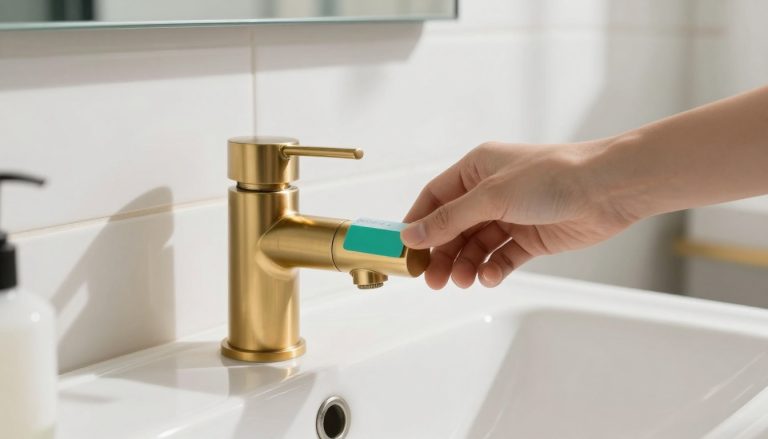
- Leaky faucets, running toilets, clogged drains
- Garbage disposals jams or replacements
- Broken locks, sticky deadbolts, door hardware issues
- Drywall patches, nail pops, small holes
- Paint touch-ups in high-wear areas
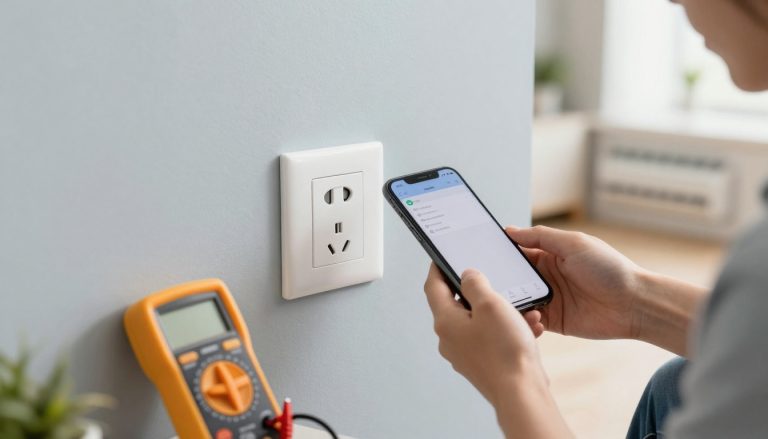
- Lighting, switch, and outlet problems (including loose fixtures)
- Appliance installs and swaps (dishwasher, range hood, faucet, microwave)
- Minor flooring repairs (lifting corners, soft spots, transition strips)
Fast handling boosts tenant satisfaction and reduces tenant turnover. When residents feel ignored, they start shopping for their next place. When maintenance feels responsive, renewals get easier and complaints drop.
Bigger repairs, turnovers, and upgrades (when one call isn’t enough)
A strong maintenance company also handles jobs that require planning and coordination, not just a quick visit.
This often includes:
- Turnover make-ready: Patch and paint, cleanups, fixture replacements, minor carpentry, lock changes
- Flooring replacement: Vinyl plank replacements, carpet removal, hardwood refinishing
- Kitchen and bath updates: New faucets, vanity swaps, tile repairs, caulk, lighting upgrades
- Exterior repairs: Fascia and soffit fixes, fence repairs, minor siding work, gutter cleanup
- Scheduled maintenance: HVAC tune-ups, water heater checks, safety device updates
For out-of-town owners, communication is the job as much as the repair. Clear estimates, photo updates, and a timeline keep you in control without getting on a plane. If a unit needs floor work between tenants, a resource like a hardwood floor refinishing guide can help you understand what’s involved before approving the scope.
Why hiring a maintenance company beats juggling vendors yourself
Rental property maintenance through a professional service replaces DIY vendor management, which sounds fine until you’re stuck playing dispatcher, bookkeeper, and therapist. In 2026, the pressure is higher. Repair costs have been rising, tenants expect faster fixes, and more landlords are switching from “wait until it breaks” to planned upkeep because emergency repairs cost more.
A maintenance company gives you one point of contact and a repeatable process. That consistency is what protects your time and your property.
Faster response, fewer emergencies, less property damage
Emergency repairs usually start as non-emergencies that got ignored. A reliable maintenance team reduces surprises by responding quickly and spotting issues before they spread. In 2026, this proactive approach is key as emergency repairs drive up costs and tenant frustration.
Simple examples show the math of how preventative action stops asset depreciation:
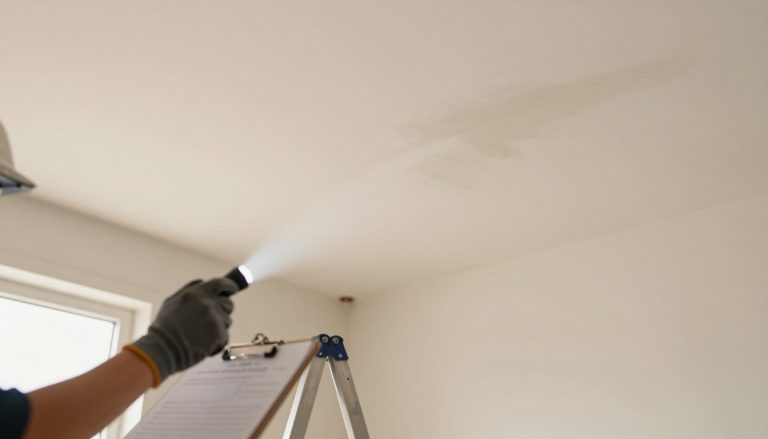
- A small roof leak handled early can prevent ceiling damage and insulation issues.
- A slow drain cleared now can prevent a backup that ruins flooring later.
- A worn HVAC filter replaced on schedule can prevent a no-cool call during peak summer.
This also affects turnover. When tenants wait days for help, they remember. Turnover costs stack up fast (vacancy time, make-ready, leasing fees, screening time). Quick maintenance is one of the few landlord habits that can lower those costs over time.
Out-of-state and busy landlords get local eyes and clear updates
Out-of-state real estate investors and busy landlords who don’t live in Atlanta need more than a “vendor list.” Unlike in-house maintenance, which demands local staff and overhead, you need a partner who verifies what’s happening in the unit, meets a specialist when needed, and documents everything.
Good communication looks like this:
- Text or portal updates that confirm scheduling and arrival windows
- Before-and-after photos so you can approve work with confidence
- Itemized invoices that show labor, materials, and what was repaired
- Simple approvals (for example, “OK to proceed up to $X”)
This is where RentalSOS is built to help. When you’re not local, it’s hard to know if a problem is small, urgent, or inflated. A dependable maintenance partner gives you reality, not noise.
How to choose the right maintenance company for your rental property
Not all maintenance companies operate the same way. Unlike a full-service property management company that handles everything end-to-end, some do great work but communicate poorly. Others answer the phone but cut corners. Your goal is steady quality, clear reporting via a maintenance coordinator, and a process that fits your risk tolerance.
Start with standards, then move into pricing and workflow.
The screening checklist: licensing, insurance, warranties, and repair standards
Ask for documentation upfront. A professional service provider won’t hesitate.
Look for:
- Proof of insurance (general liability at minimum, to align with your landlord insurance)
- Required trade licensing from qualified vendors when the work calls for it (electrical, plumbing, HVAC)
- Clear workmanship standards, not vague “we fix stuff”
- A written warranty or guarantee on labor
- A safety mindset (smoke alarms, CO detectors where applicable, secure locks, sturdy railings)
Also ask how service providers handle municipal codes and habitability standards. If a repair reveals a bigger safety issue, you want a company that flags it and explains the fix, rather than ignoring it.
Red flags to take seriously:
- Vague estimates that don’t explain the scope
- No photos, no notes, no paper trail
- “Time and materials” billing with no approval process
- No warranty, or a warranty that’s only verbal
If tile is part of your unit, quality matters because water finds weak spots. Even a small crack in a wet area can become a moisture problem. If you want a quick overview of what a correct repair involves, this step-by-step bathroom tile replacement resource is a helpful reference.
Pricing and process: what you should ask before the first work order
Pricing isn’t just the hourly rate. It’s the full workflow, including how approvals work and what happens after hours. Ask these questions before you hand over keys.
Copy and paste this list when you’re screening service providers:
- Do you charge a trip fee, and when does it apply?
- Do you bill hourly, flat-rate, or by task?
- What are your emergency rates, after-hours rules, and 24/7 emergency service details?
- Do you mark up parts or materials, and by how much?
- What’s your standard response time for non-emergencies?
- How do you handle quotes for larger repairs or turnovers?
- Who buys materials, your team or the owner?
- Do you provide before-and-after photos with every job?
- Do you offer a workmanship warranty, and what’s excluded?
- What’s your repair approval limit policy?
That last one is a big deal. Many landlords set a repair authorization limit so the small stuff gets fixed without delay. In 2026, that speed matters more because tenants expect quick action, and waiting can increase damage. A smart limit keeps momentum while still protecting your budget.
Here’s a simple way to think about it: set a limit high enough to cover common fixes (plumbing leaks, lock replacements, minor electrical), and require approval for anything that changes the scope (opening walls, replacing major systems, multi-room flooring).
Build a simple preventative maintenance plan that prevents costly repairs
Great maintenance is boring on purpose. When you stay ahead of wear and tear, emergencies drop and repair costs get easier to predict.
In 2026, many landlords budget roughly 1 percent of property value per year for maintenance, and some also track 5 to 10 percent of monthly rent as a working rule of thumb. Older homes often need more. A plan helps you spend that money on prevention, not panic.
Monthly, seasonal, and annual checks that pay off
You don’t need a complex system. You need a repeatable one that you can hand to your maintenance company.
Monthly
- Replace or check HVAC filters (more often with pets)
- Test smoke detectors and CO detectors
- Quick scan for water leaks and moisture under sinks and around toilets
Seasonal
- Clean gutters and confirm water drains away from the home
- Check exterior caulk and weatherstripping at doors and windows for winterization
- Schedule HVAC service before the hottest and coldest months
Annual
- Roof inspection and flashing check
- Water heaters inspection and leak check
- Basic electrical and plumbing property inspection
- Exterior touch-ups (paint, sealant, minor wood rot repairs)
These checks aren’t glamorous, but they stop the kind of damage that destroys cash flow. A clogged gutter is cheap to clean and expensive to ignore.
What good documentation looks like (photos, notes, and repair history)
Documentation isn’t busywork. It protects you during tenant disputes, helps with budgeting, and makes selling easier later.
A clean repair record includes:
- Before-and-after photos
- Itemized invoice and receipts
- Parts used (model numbers help)
- Technician notes on cause and recommended follow-up
- Date, unit address, and who reported the issue
- Tenant communication summary (request date, scheduling, completion)
Over time, this log becomes your replacement planner. You can spot repeat problems, see which appliances are near end-of-life, and schedule upgrades before a failure triggers an emergency call.
Photo checklist for repair updates and marketing-ready images
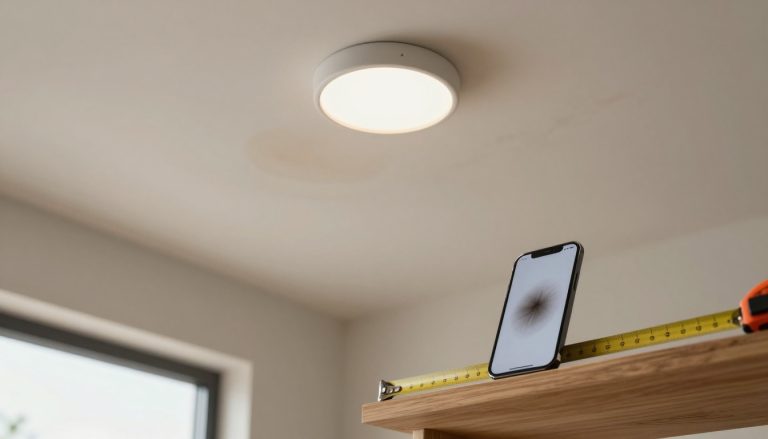
Photos do two jobs at once. They help you approve work quickly, provide troubleshooting visuals for cause-and-effect reporting in technician notes, and create a clear record of condition over time. They also help when you re-market a unit after a turnover.
When requesting repair photos, ask for:
- One wide shot that shows the room context
- One close-up of the problem area
- One close-up after the repair
- A final wide shot that shows cleanup and finish quality
Conclusion
A reliable maintenance company protects more than the building. It protects your cash flow, your tenant relationships, your time, and the value of your investment. That’s why rental property maintenance matters so much in 2026, when costs are higher and renters expect fast, clear communication.
If you don’t live in Atlanta, the value multiplies because you need local property maintenance services that respond quickly and send proof, not guesses. Set your repair approval limit, start a basic preventive schedule, and choose a team that handles emergency repairs with photos for documentation and stands behind their work.